
Forex public holidays: How major holidays impact forex markets


Ever wondered why forex markets feel so unpredictable during holidays? Whether you're trading pesos, rupees, or riyals, knowing how public holidays affect market behavior could be the edge you need.
The forex market is open 24 hours a day, five days a week, but that doesn’t mean that it’s always bustling. During public holidays, trading volume can drop dramatically, especially if those holidays are in major financial hubs like the US, UK, Japan, and Europe. When fewer traders are active, the market behaves differently. Price may move more slowly, and spreads can widen dramatically.
If you're trading from Latin America (LATAM), the Middle East and North Africa (MENA), Sub-Saharan Africa (SSA), or Asia, understanding how global holidays affect your currency pairs is important. Even if your local market is open, the currency you’re trading might be impacted by a closed market elsewhere. For example, trading USDJPY during a Japanese public holiday can feel like fishing in a quiet lake (calm, but with very little chance of catching anything big).
Public holidays also impact economic news releases, which are key price drivers in forex. For example, if a US employment report is delayed due to a holiday, it might shift the week’s entire trading rhythm. Informed traders stay on top of the forex calendar to make better trading decisions.
Content
Key takeaways
- Forex public holidays significantly reduce market liquidity. When major financial centers close, fewer participants trade, resulting in wider spreads and more unpredictable price movements.
- Major forex holidays can disrupt normal trading patterns. Forex market holidays like Christmas, New Year’s Day, and Golden Week often result in unusual volume drops and erratic price behavior across currency pairs.
- Holiday periods rarely close the forex market entirely, but they impact real trading conditions. Even when markets stay open, reduced activity can make executing trades more difficult and risky.
- Regional holidays affect specific currency pairs differently. LATAM, MENA, SSA, and Asia each experience unique slowdowns tied to national holidays, which in turn influence related currencies such as BRL, INR, JPY, and SAR.
- Traders need to adjust strategies and risk management before and during holidays. Using economic calendars, reducing position sizes, and avoiding unnecessary trades during low-liquidity sessions can help protect capital.
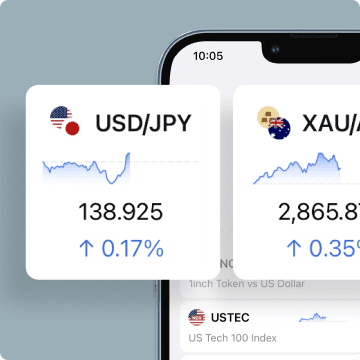
Trade forex with an edge
Experience better-than-market conditions. Try live or demo.
What are forex public holidays?
Definition and importance
Forex public holidays are specific days when major banks and other financial institutions are closed due to a national holiday. These holidays vary widely from country to country (like the 4th of July/Independence Day in the US, Golden Week in Japan, or Diwali in India), but they can impact global forex trading.
Forex trading relies heavily on liquidity, which is dependent on the number of active buyers and sellers in the market. When a major country takes a day off, the trading volume for its currency usually drops.
For example, US banks are closed on Thanksgiving, so USD pairs, like EURUSD or USDJPY, often slow down. During these periods, the market starts to sound like crickets, and prices may not move as you’d expect because lower volume can lead to unpredictable spikes and wider spreads.
Are forex markets always closed on public holidays?
No, the forex market doesn’t completely shut down during most public holidays, but in many cases, it can feel that way.
The forex market is decentralized, meaning it isn’t run by a single exchange. Instead, it’s powered by a global network of banks and financial institutions working across different time zones. If a key region is on holiday, the rest of the world may still be trading, but you may notice a decrease in activity.
There are two common holiday impacts:
- Complete closures: Rare, but some platforms might halt trading completely.
- Reduced liquidity: This is more common and leads to fewer traders and higher trading costs.
How major forex holidays impact trading

Reduced liquidity and volatility
One of the biggest impacts of forex holidays is reduced liquidity. Liquidity refers to how easily you can buy or sell a currency without significant price fluctuations. On a normal day, millions of traders may be active at a time, so orders get filled quickly, and spreads stay rather tight. However, on holidays, many traders step away, leaving the market with fewer participants.
When liquidity drops, the difference between the buy and sell price can widen, and trading often becomes more expensive.
Larger orders also have a larger impact on the price. It may move erratically and outside of normal bounds. New traders may think that something important has happened when, in reality, it’s simply due to low volume.

Changes in trading volume and patterns
Let’s say it’s Christmas week, and in the days leading up to 25 December, trading volume starts to decline. In many cases, this occurs because many traders take time off. During the holiday itself, markets are extremely slow.
This pattern also appears elsewhere, like in the US on Thanksgiving or in China during the Chinese New Year.

Regional impact based on national holidays affecting forex
Each region has its own major holidays that can impact currency pairs:
- LATAM: During Easter and Carnival, most Latin American banks close, reducing activity in currencies like the Brazilian real (BRL) and Mexican peso (MXN). Expect slowdowns in those pairs.
- MENA: Eid and Ramadan lead to lighter trading in the Gulf and North Africa. Currencies like the Saudi riyal (SAR) or Egyptian pound (EGP) can become more unpredictable, especially near Eid celebrations.
- India: Diwali and Holi are major breaks. INR pairs can exhibit reduced volatility and thinner trading volumes during these festivals, particularly since Indian banks and institutions often pause operations.
- SSA: Independence days and national observances, such as South Africa’s Freedom Day, can cause similar local market slowdowns.
List of major forex holidays by region

Western markets (Impact on global forex)
Western markets tend to impact forex the most. The US, UK, and the Eurozone are major financial centers, and their currencies are heavily traded. Key holidays to keep in mind include:
- Christmas and the New Year (late December)
- US Thanksgiving (fourth Thursday of November)
- Other US bank holidays

During these days, many financial institutions scale back or close completely. This impacts liquidity in every currency, especially those directly related to these countries. If you trade pairs tied to the US dollar, expect quieter sessions and potential price spikes due to thin liquidity.
Asia and India

Asia has many widely observed holidays, which can impact liquidity in certain currencies (like the Indian rupee (INR), Japanese yen (JPY), and Chinese yuan (CNY)). Here are some important holidays:
- Diwali (usually in October or November)
- Lunar New Year (January or February)
- Golden Week (early May)
When these holidays occur, trading in the region can significantly slow down. For example, during Lunar New Year, many Asian markets shut down for a week, causing major dips in trading volume for CNY and JPY. You may even observe some impact on AUD and NZD pairs, since these economies trade closely with Asia.

MENA and SSA
In the Middle East and North Africa, religious holidays are usually the key driver of forex slowdowns:
- Eid al-Fitr and Eid al-Adha: Dates vary depending on the Islamic calendar. During the holidays, trading in currencies like the SAR, AED, and EGP can slow down significantly.
- Independence Days: Nigeria’s is on 1 October, and South Africa celebrates Freedom Day on 27 April.
- Public observances: Holidays like Workers’ Day and Heroes’ Day.
LATAM region
Latin America has several holidays to keep your eye on:
- Samana Santa (around Easter)
- National Independence Days
During this time, it is mostly LATAM currencies that are impacted, including BRL, MXN, and ARS. These trading pairs can experience lower volatility and erratic price movement. Even if the global markets are largely unaffected, local markets can be a very different trading environment.
Strategies to trade around forex public holidays

Pre-holiday planning
Always plan ahead. Before a major holiday, it’s wise to exit any risky or high-exposure positions. You don’t want to be stuck during a market slowdown where prices can suddenly jump (or drop) unexpectedly.
Another important factor is reduced news flow. During holidays, central banks, government agencies, and major financial news outlets may pause updates. This leads to fewer market-moving events but also less clarity.
A surprise event can have a significantly greater impact on the market than it would during normal periods.
It’s best to simply step away during these days. Use it as an opportunity to take a step back and recollect yourself.
Risk management tips

If you decide to stay in the markets during holiday periods, using stop loss orders becomes even more important. Volatility can be extremely random during this time, and a single large order can hit your stop if it’s too tight. On the other hand, not having a stop loss in place could lead to greater losses if a price spike goes against you.
It’s a good idea to adjust your trade size when liquidity is low. Smaller positions typically work better and have less financial risk if the market becomes erratic. For instance, if you normally trade one lot, consider trading 0.5 or even 0.25 during quiet sessions.
Less exposure allows you to keep trading, but without all the added risk if conditions turn against you.
Use of economic calendars and local insights
Try to stay updated on economic calendars, which means keeping track of public holidays (especially those impacting the currencies you trade). This helps you avoid being caught off guard by a major slowdown.
Understanding these holidays can also give you an edge. If you're trading INR or BRL, for example, knowing the dates for Diwali or Carnival can help you anticipate changes in market behavior.
Trading glossary
Liquidity (Market liquidity)
Liquidity refers to how easily a currency pair can be bought or sold in the forex market without causing major price changes. During forex public holidays, bank holidays, or events like Christmas Day, Labor Day, or Good Friday, there are fewer participants in the market. This creates reduced liquidity, which often leads to more volatility and wider spreads, especially in major financial markets like the New York Stock Exchange or London Stock Exchange.
Volatility
Volatility measures how much prices move over a given time. In the forex trading world, volatility can spike during holiday periods when market activity slows and liquidity drops. For example, major markets in the United Kingdom, Europe, Japan, or Hong Kong may be closed for national holidays, creating erratic price movements in global markets even when other regions remain open.
Trading hours / Market hours
Trading hours refer to the times when financial markets and stock exchanges are open. In the decentralized forex market, trading continues 24/5, but real market conditions change when major financial centers observe several holidays—such as Independence Day, Thanksgiving Day, or New Year’s Eve. Even if the market is technically open, forex holiday trading hours can lead to reduced liquidity and slower execution.
Liquidity risk
Liquidity risk is the danger of not being able to enter or exit trades at your desired price due to reduced liquidity. This risk increases during important holidays such as Christmas Eve, Boxing Day, Easter Monday, or Youth Day in certain regions. When many traders step away or choose to avoid trading during quiet sessions, even normal-sized orders can distort prices, making decision-making more difficult.
Trading plan (Clear trading plan)
A clear trading plan outlines your rules for entering and exiting trades, managing risk, and adapting to different market conditions. During holiday periods, it becomes even more important to adjust your plan to account for reduced liquidity, wider spreads, and unexpected volatility. Many traders wait for normal market hours to return before acting, especially around New Year’s Day, Christmas, or other national holidays observed across global markets.
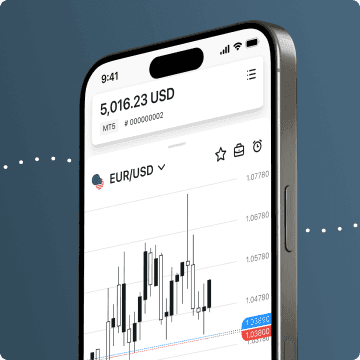
Trade the world's top currencies with Exness
Get tight and stable spreads on every currency trade.
Final thoughts
Being aware of major forex public holidays is absolutely essential. These dates can cause sudden drops in liquidity, surprise volatility, and unexpected wider spreads. You don’t want to be caught off guard.
For regional traders, it’s vital to stay on top of local knowledge. Keep track of your country’s bank holidays alongside global ones so you can better anticipate shifts in volatility.
None of the suggestions requires a complete overhaul of your trading plan, either. Spending a few minutes reviewing an economic calendar or double-checking holiday closures before the week starts can help you avoid pitfalls and capitalize on quieter markets.
Frequently asked questions
Is the forex market open 24/7, even on public holidays?
The forex market is open 24 hours a day, five days a week, from Monday morning in Asia to Friday evening in New York. Public holidays can also reduce trading activity, especially if major financial institutions take the day off. The market might stay open, but expect fewer traders overall.

Which holidays impact forex the most?
Holidays in major economies (the US, UK, and the Eurozone) have the biggest impact. The biggest holidays to watch out for are Christmas, New Year, US Thanksgiving, and other US bank holidays. These days can impact all currency pairs, even those that aren’t directly tied to the country where the holiday is happening. Global liquidity is very reliant on these larger economies.
Can I still trade during forex public holidays?
Yes, you can absolutely trade during holidays, but the market won’t necessarily act like it usually does. Liquidity tends to drop, spreads often widen, and price movements can be unpredictable. Many professional traders avoid opening new trades during major holidays or reduce their position sizes to stay safe.
How can beginners handle low liquidity periods?
If you’re just starting out, your best bet is to take a holiday yourself during these forex public holidays. If you do decide to trade, use wider stop loss orders to avoid getting stopped out by random price movements, and consider trading smaller lot sizes to limit risk. Either way, keep track of a calendar and ensure that you plan correctly.
Share:
Related


Exness Trade app
Trade with confidence anytime, anywhere.


Get the app
App title

Trading is risky. T&Cs apply.


