
The hidden opportunities of trading industrial metals


What if the most important commodities aren’t the ones making headlines? Discover how trading industrial metals like copper, aluminium, platinum, and palladium can unlock opportunities tied to the energy transition and global growth.
When investors discuss commodities, the spotlight usually falls on gold, silver, and crude oil. Gold dominates conversations about inflation hedging, silver captures attention through both industrial and monetary narratives, and oil remains central to global macroeconomic debates. Yet beneath these headline markets lies a group of metals quietly shaping the modern economy—metals that rarely receive the same attention despite their critical role in infrastructure, industry, clean energy, and advanced manufacturing.
Copper, aluminium, palladium, and platinum may not command daily headlines, but they are among the most strategically important raw materials in the global economy. Their demand is deeply connected to structural trends such as electrification, urbanization, environmental regulation, and industrial modernization. For investors, policymakers, and businesses alike, these “hidden metals” deserve far greater attention than they currently receive.
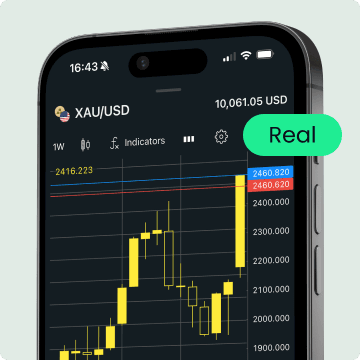
Exness Trade app
Trade with confidence anytime, anywhere.
Key takeaways
- Industrial metals are gaining strategic importance. Demand is driven by electrification, sustainability, and long-term structural shifts in the global economy.
- Copper is central to the energy transition. Its role in power grids, EVs, and renewables makes it a key driver of future demand.
- Aluminium supports efficiency and sustainability. Its lightweight and recyclable properties make it essential across transport, packaging, and construction.
- Palladium and platinum reflect evolving industrial trends. Emissions regulations, automotive shifts, and emerging technologies like hydrogen are shaping demand for these metals.
- Trading industrial metals offers macro-driven opportunities. Prices are influenced by real economic activity, creating setups tied to growth cycles and global trends.
Copper: The backbone of electrification
Copper has long been regarded as a barometer of economic health due to its widespread use across construction, transportation, and manufacturing. Often nicknamed “Dr Copper” for its perceived ability to diagnose the global economy, the metal is essential wherever electricity flows.
Its conductivity, durability, and recyclability make it indispensable in power grids, wiring, motors, telecommunications systems, and renewable energy infrastructure. As economies transition toward electrification, copper demand is expected to rise substantially. Electric vehicles require significantly more copper than conventional internal combustion engine vehicles, while wind turbines, solar farms, and battery storage systems all rely heavily on copper components.
At the same time, copper supply faces growing challenges. Many major mines are aging, ore grades are declining in some regions, and new large-scale projects often require years of permitting and billions in investment. Geopolitical risks and water scarcity in key producing countries can also affect production.
This combination of strong structural demand and constrained supply has elevated copper from a cyclical industrial metal to a long-term strategic resource. In many ways, copper is no longer just tied to economic growth; it is tied to the energy transition itself.
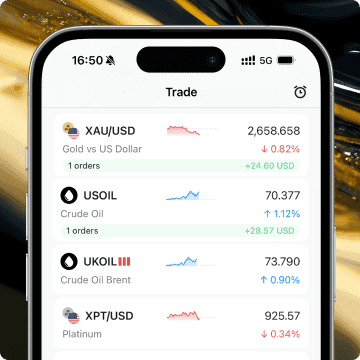
Diversify with commodities
Explore metals and energies with low, stable spreads.

Aluminium: The lightweight metal powering efficiency
Aluminium is one of the most widely used industrial metals, yet it often remains underappreciated compared with steel or copper. Its unique combination of light weight, corrosion resistance, strength, and recyclability makes it essential across numerous sectors.
In transportation, aluminium helps reduce vehicle weight, improving fuel efficiency and extending the driving range of electric vehicles. In aerospace, it remains a foundational material thanks to its high strength-to-weight ratio. In packaging, aluminium is widely used in beverage cans and food containers because it is lightweight and infinitely recyclable. In construction, it is valued for windows, facades, and structural components.
Perhaps most importantly, aluminium is central to the global push for sustainability. Recycling aluminium uses a fraction of the energy required for primary production, making scrap supply and circular economy systems increasingly valuable.
However, aluminium markets are highly sensitive to energy prices because smelting is extremely electricity-intensive. This means disruptions in power markets or higher energy costs can significantly affect global supply. Producers with access to low-cost renewable energy may gain a growing competitive advantage in the years ahead.
As industries seek lighter, more efficient, and more sustainable materials, aluminium’s strategic importance is likely to expand steadily.

Palladium: The quiet emissions metal
Palladium is far less known outside commodity circles, yet it has played a crucial role in reducing vehicle emissions over the past several decades. The metal is primarily used in catalytic converters for gasoline-powered vehicles, where it helps transform harmful exhaust gases into less toxic emissions.
Because of this specialized use, demand for palladium is linked to the automotive sector and environmental regulations. As emissions standards tightened globally, automakers increased palladium loadings, helping drive significant price rallies in previous years.
Yet palladium also illustrates how quickly industrial demand can evolve. The rise of electric vehicles, which do not require catalytic converters, presents a long-term challenge to consumption growth. In addition, substitution between palladium and platinum in autocatalysts has increased when price spreads widen.
Supply concentration adds another layer of importance. Global palladium production is relatively concentrated in a small number of countries, making the market vulnerable to geopolitical disruption, sanctions, labor issues, or operational setbacks.
While its long-term outlook may be more complex than in the past, palladium remains a critical example of how niche metals can become strategically important through regulation and technology.

Platinum: From jewelry to hydrogen economy
Platinum is often associated with luxury jewelry, but its industrial role may prove even more significant over time. Like palladium, platinum is used in catalytic converters, particularly in diesel vehicles. It is also widely used in chemical processing, medical devices, petroleum refining, and electronics.
What makes platinum especially compelling today is its potential role in the hydrogen economy. Platinum is used in fuel cells and certain electrolyzer technologies that can help produce clean hydrogen. If hydrogen adoption accelerates in transportation, heavy industry, and power storage, platinum demand could benefit meaningfully over the long term, with price dynamics increasingly shaped by both industrial demand and investor positioning.
At the same time, platinum supply is geographically concentrated, with South Africa accounting for a large share of global mine production. This creates vulnerability to labor strikes, electricity shortages, and infrastructure constraints.
Compared with gold, platinum has historically traded at both premiums and discounts depending on industrial cycles and investor sentiment. This dual identity, as both precious and industrial metal, makes it uniquely sensitive to changing macroeconomic conditions.

Why these metals matter more than ever
What unites copper, aluminium, palladium, and platinum is that each sits at the intersection of industrial necessity and long-term structural change.
Copper supports electrification and grid expansion. Aluminium enables efficiency and recyclability. Palladium has helped clean combustion engines. Platinum may play a key role in hydrogen and advanced industrial technologies.
Unlike purely financial assets, demand for these metals is grounded in physical economic activity, which is one of the key ways commodities differ from equities in terms of price behavior and volatility. Their markets reflect real-world investment in infrastructure, transportation, manufacturing, and energy systems. That gives them enduring relevance regardless of shifting market narratives.
For traders, these metals also highlight an important lesson: some of the most significant opportunities are often found outside the most crowded themes. Gold may dominate headlines, but the next decade of industrial transformation could depend just as much on metals operating quietly in the background.
How CFD traders can approach industrial metals
For traders, industrial metals offer a different kind of opportunity compared with traditional safe-haven assets like gold. Their price movements are often driven less by short-term sentiment and more by tangible shifts in supply, demand, and macroeconomic trends. This makes them particularly attractive for those looking to trade structural themes such as electrification, infrastructure spending, and the energy transition.
Contracts for Difference (CFDs) provide a flexible way to gain exposure to commodity markets, allowing traders to speculate on price movements without owning the underlying asset. Traders can speculate on both rising and falling prices, allowing them to respond to changing market conditions, economic data, and geopolitical developments.
Trading macro trends and economic cycles
One of the key advantages of trading industrial metals is their sensitivity to macro cycles, similar to other commodity markets that react strongly to shifts in global supply and demand. Copper, for example, often reacts to signals around global growth, manufacturing activity, and stimulus policies. Strong economic data or infrastructure investment plans can support prices, while slowdown concerns may weigh on them. This creates opportunities around major data releases, central bank decisions, and policy announcements.
Aluminium, on the other hand, is heavily influenced by energy markets. Because production is electricity-intensive, fluctuations in power costs or disruptions in energy supply can quickly translate into price volatility. Traders often monitor energy prices, particularly in key producing regions, as a leading indicator.
Sector-specific drivers and thematic trades
Palladium and platinum tend to respond more to sector-specific developments. Changes in emissions regulations, shifts in automotive demand, or substitution trends between the two metals can drive sharp price movements. In platinum’s case, growing interest in hydrogen technologies adds another layer of longer-term thematic trading opportunities.
Strategy and risk considerations
CFD traders often combine these macro and sector-specific drivers with technical analysis to identify entry and exit points, using a mix of fundamental context and price-based signals. Trend-following strategies may work well during sustained shifts in demand, while range trading can be effective in periods of consolidation.
However, it is important to recognize that trading industrial metals also involves risk. Prices can be volatile, particularly when markets react to unexpected geopolitical events, supply disruptions, or rapid changes in economic expectations. Using risk management tools such as stop loss orders and position sizing is essential.
Linking market insight to trading opportunities
Ultimately, trading industrial metals is not just about price action—it is about understanding the real-world forces shaping supply and demand. For those who follow these dynamics closely, these “hidden metals” can offer a diverse set of opportunities beyond the more crowded commodity trades.
Final thoughts
The hidden metals no one is talking about may, in reality, be some of the most important commodities of the modern era. Copper, aluminium, palladium, and platinum each serve distinct but essential roles in how economies grow, how industries decarbonize, and how technology advances.
As global priorities shift toward resilience, sustainability, and electrification, these markets may move from the sidelines to the center of strategic discussions. Those paying attention early may discover that the metals receiving the least attention today could become the most valuable tomorrow.
Share:
Related


Exness Trade app
Trade with confidence anytime, anywhere.


Get the app
App title

Trading is risky. T&Cs apply.


