
Oil prices at a crossroads: Strait of Hormuz risks and low crude inventories


Oil prices remain volatile as the US-Iran peace MOU shifts the market narrative from fears of supply shortages to oversupply risks. However, renewed uncertainty around the Strait of Hormuz keeps the geopolitical risk premium alive.
Oil prices have entered a more complicated phase as the market tries to balance two opposing forces. On one hand, the US-Iran peace MOU has reduced fears of a prolonged supply shock, raising expectations that energy flows could gradually return to normal. On the other side, the Strait of Hormuz remains a key wildcard, as any disruption to shipping can quickly revive concerns over supply security.
This has created a fragmented oil narrative. A credible peace agreement could pressure oil prices by reducing the geopolitical risk premium and raising expectations of increased supply. However, if the agreement remains fragile or shipping disruptions persist, oil may continue to find support from supply risks, especially while US crude inventories remain tight.

The best oil pricing just got better
Save 69.4% on every USOil trade.
69.4% USOIL claim based on comparison of the average pricing in the last week of 05.2024 vs last week of 08.2025.
Key takeaways
- Peace negotiations have shifted the oil market narrative. Markets are moving from fears of supply shortages toward concerns about potential oversupply as energy flows normalize under the US-Iran peace MOU.
- The Strait of Hormuz remains the biggest short-term risk for oil prices. Any disruption to shipping flows could quickly revive supply concerns, increase the geopolitical risk premium, and support higher prices.
- US crude inventories remain tight, limiting downside risks. Low stockpiles suggest the physical market remains constrained, helping cushion oil prices even as geopolitical tensions ease.
- Oil prices are likely to remain headline-driven. Updates on peace negotiations, Strait of Hormuz shipping activity, and crude inventory data could drive significant short-term volatility.
- The oil market remains caught between oversupply expectations and supply-security concerns. While progress in peace negotiations may improve supply prospects, tight crude inventories and geopolitical risks continue to provide underlying support for oil prices.
US-Iran peace MOU: From supply shock fears to oversupply concerns
The US-Iran peace MOU shifted the oil market narrative toward normalized crude flows and potential oversupply. However, as the deal remains temporary, oil is still caught between downside pressure from the peace process and support from lingering supply risks.
Strait of Hormuz: The wildcard that keeps oil volatile
The Strait of Hormuz remains the key short-term oil price driver, as any disruption, decreased vessel traffic, or renewed threats could quickly revive supply concerns, as discussed in our analysis of oil disruption risks through the Strait of Hormuz. While progress in peace negotiations may reduce upside pressure, uncertainty around shipping flows can keep a risk premium in Brent and USOIL, preventing a clear bearish breakdown.
US inventories: Tight supply cushions the downside
While headlines around a peace deal point to lower geopolitical risk, US inventory data still shows a tight physical market. Crude inventories have continued to decline, reflecting strong refinery demand and limited near-term spare buffering. This makes the oil market less vulnerable to a one-sided selloff.
Tight inventories matter because they can offset part of the bearish impact from improving geopolitical conditions. If stockpiles remain low, any unexpected disruption can have a stronger price impact. This is why oil may struggle to sustain a deep decline unless the market sees both stable shipping flows and signs of rebuilding inventories.
For now, the inventory backdrop suggests that oil prices may remain supported on dips, even if upside momentum is capped by improving supply expectations.

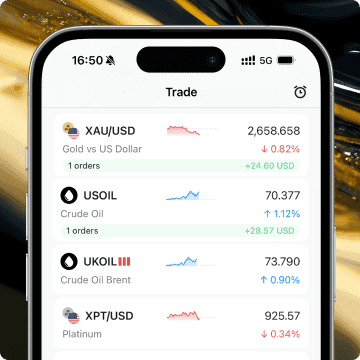
Diversify with commodities
Explore metals and energies with low, stable spreads.
Final thoughts: Oil prices may stay supported as countries rebuild strategic reserves and the geopolitical uncertainty
Although oil prices may face short-term pressure from potential progress in peace negotiations, the downside could remain limited in the longer term, as seen in recent analysis of oil prices after the US-Iran ceasefire. This is because countries may increase strategic oil stockpiling to prepare for the next round of conflict, as there is no guarantee that geopolitical tensions will not return. At the same time, damaged oil production and export infrastructure may take time to recover fully, limiting how quickly supply can normalize. If tensions in the Strait of Hormuz, the Middle East, Russia, or other key shipping routes re-emerge or become prolonged, markets may start pricing a more permanent geopolitical risk premium into oil prices.
Disclaimer: This article is for informational and educational purposes only and should not be considered investment, financial, or trading advice. Market conditions can change rapidly, and past performance is not indicative of future results. Always conduct your own research and consider your financial circumstances before making trading decisions.
Share:
Related


Exness Trade app
Trade with confidence anytime, anywhere.


Get the app
App title

Trading is risky. T&Cs apply.


